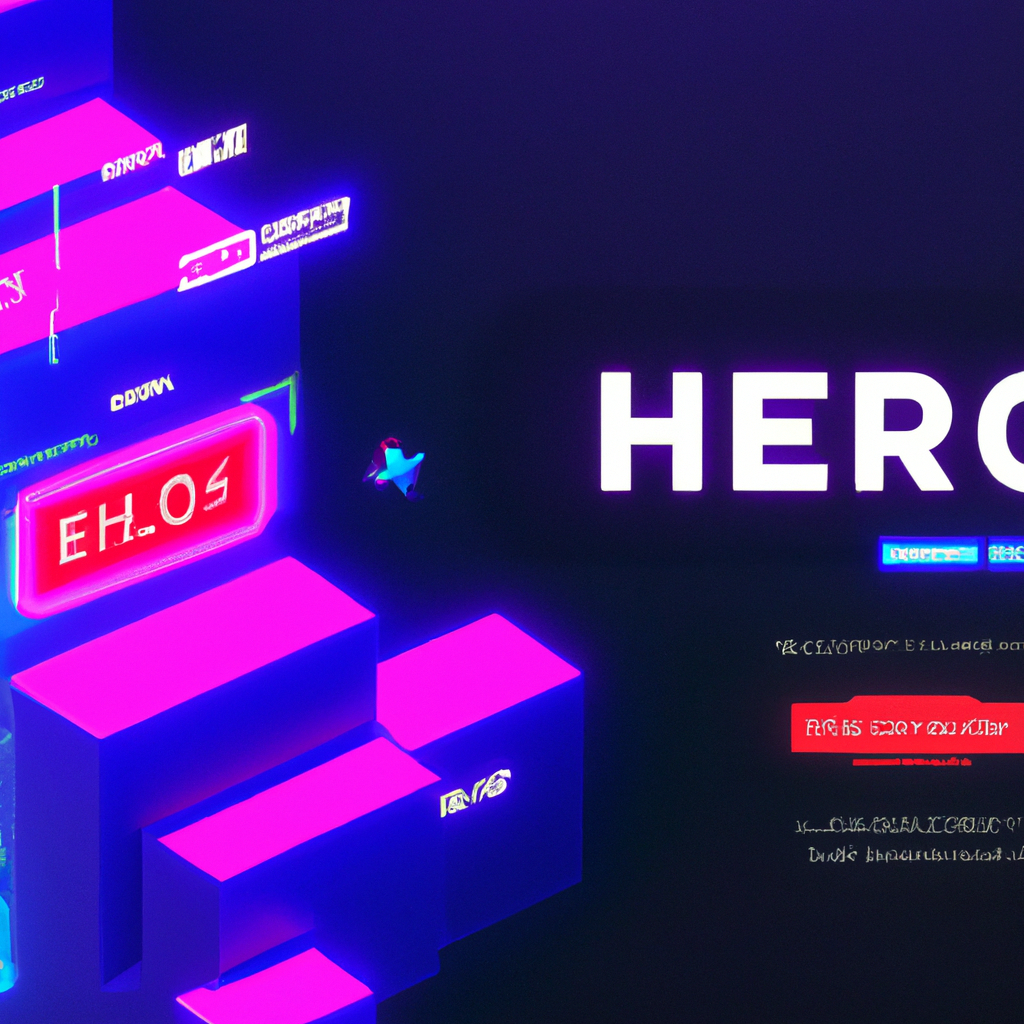
ArcadeFrame — Playful Systems for Modern Games

ArcadeFrame reimagines game sessions as fast, repeatable rituals: neon ladders, asymmetric challenges, seasonal labs and tiny HUD rewards that make every play feel meaningful and fresh.

ArcadeFrame hero art: neon ladder and HUD preview

Design pillars

Micro rituals

Short loops that invite return. Each micro session lasts under five minutes and rewards concise mastery — a tidy way to practice skill without friction.

Asymmetric ladders

Nonlinear difficulty and selective risks create memorable choice. Players climb bespoke ladders, not monotonous progress bars.

HUD-first feedback

Small, readable badges show progress instantly. Micro-animations highlight growth; color and motion are deliberate and informative.

A short story of first plays

ArcadeFrame began as a weekend experiment: build tiny, repeatable games that reward the act of trying again. We favored clear affordances over sprawling menus. Early testers kept returning not because of grind, but because each attempt taught something new and signed off with a small, satisfying flourish. That instinct informs everything: a studio mindset that prioritizes clarity, kinetic typography, and accessible challenge. Seasonal labs let us tinker openly. Community challenges funnel small bursts of creativity into real design revisions, and every HUD tweak is evaluated for readability at one glance.
What early players say

"The tiny loops make me practice more without feeling like work. The HUD tells me exactly what to improve next." — Mara, speedrunner
"I love the seasonal labs. They feel like quick puzzles with big payoff." — Yun, community designer

Try a two-minute run

Jump into a curated demo. No account, no barrier — just a crisp, repeatable game that shows our approach in ninety seconds.

Quick facts

45s
Average session length
7
Active labs per season
4x
Return rate in test cohorts

Get in touch

Questions, collabs or lab ideas — drop a note. We read everything.

About ArcadeFrame

ArcadeFrame grew from a simple question: what if each play could teach and reward the player in under a minute? We answer that by building compact, deliberately constrained gamelets that emphasize readable feedback, clear goals, and fast experimental iterations. Players encounter short ladders that are asymmetric by design — every route asks for a different skill or risk-reward assessment. That variety encourages exploration without stretching session time. Each mode is a small laboratory where a single mechanic is exaggerated and then refined. We pay special attention to the on-screen HUD: badges are minimal, animations are purposeful, and colors are selected so that results are perceivable at a glance. Seasonal labs let us try new constraints, and community challenges funnel rapid ideas into playable prototypes. Designers use real player traces to prune or amplify a mechanic. That loop keeps content feeling fresh and prevents feature creep. ArcadeFrame also centers accessibility and clarity. Controls are mapped to minimal gestures and keyboard inputs so that players with a wide range of motor or cognitive preferences can still enjoy elegant challenge. Micro-interactions — subtle haptics, short motion, and readable counters — reinforce improvement. We deliberately avoid long tutorial walls; instead, the game teaches by doing. For teams, ArcadeFrame provides a pattern library of reusable systems: HUD badges, ladder templates, and a lab schedule that supports low-cost experiments. For players, it offers a reliably playful return — short sessions with meaningful feedback that invite another try. The philosophy is simple: design small, ship fast, learn always. That yields games that are both compact and resonant, where each tiny victory feels earned and visible.